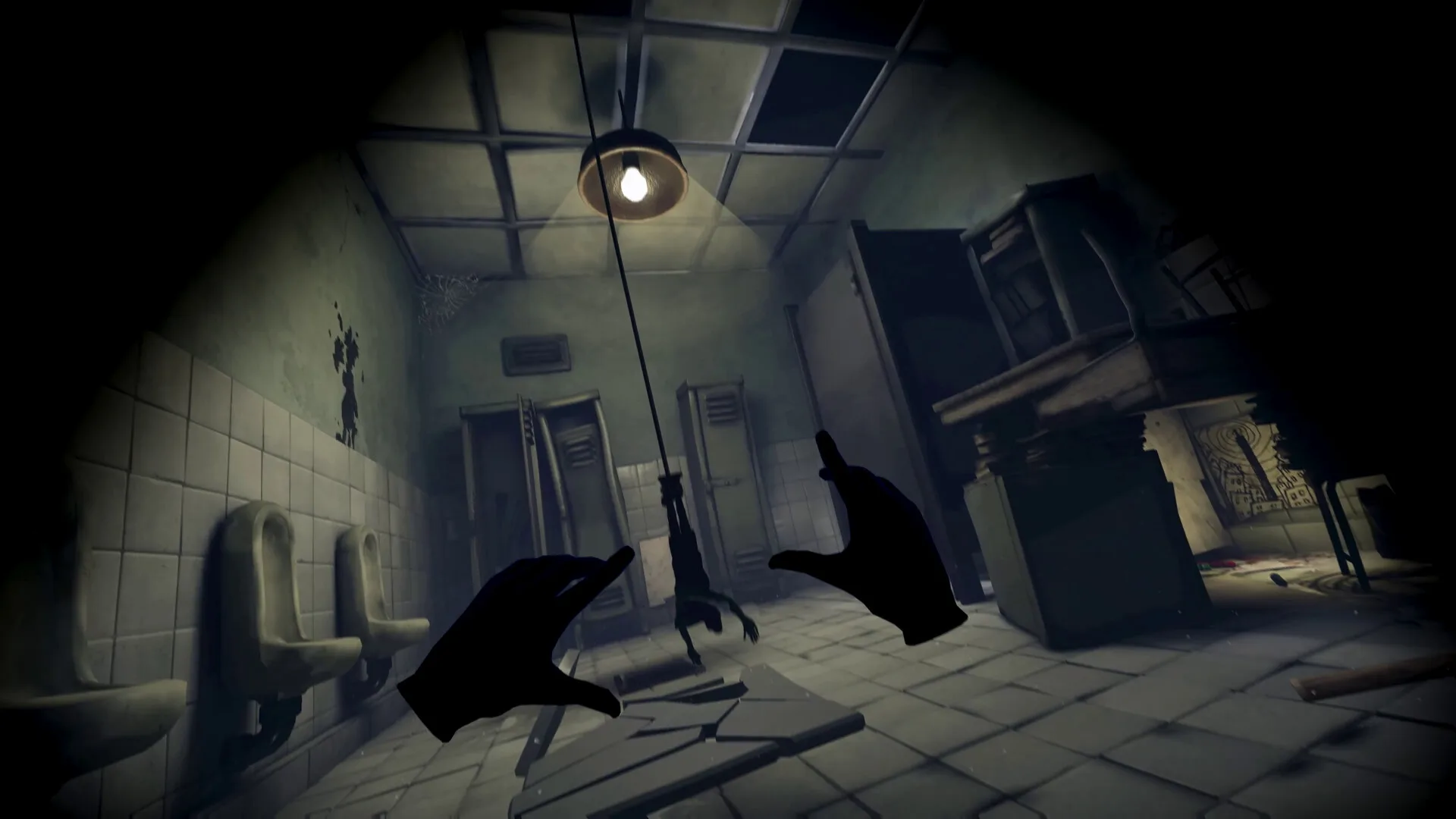
A Faithful Horror Platformer That Brings the Franchise Into VR
Almost ten years after it first launched in 2017, the Little Nightmares franchise comes to VR. Honestly, I’ve been looking forward to it!
I was late to the Little Nightmares franchise, only playing the main games, Little Nightmares and Little Nightmares II, last year, but it’s hard not to catch the bug: great art style, beautiful art direction, eerie atmosphere, haunting music, simple but fun mechanics, and tension you could cut with a knife, a sharp, somewhat macabre knife that looks like it’s been used to dismember small people on old oversized tables, by monsters only vaguely resembling people.
Yeah, it’s that kind of game.
It’s tough making a VR version of a franchise so well established on flat consoles, a challenge I’m sure Camouflaj, for instance, felt intensely as they worked on Batman: Arkham Shadow. How do you go from flat to VR and carry forward the mechanics, and still make it feel like it’s got the same DNA? Well, apparently, you just go ahead and do it.
Altered Echoes, the subtitle of this particular installment, remains faithful in all the ways that count; you never quite know exactly what’s going on, the atmosphere is vaguely disturbing throughout, the tone is suspenseful and foreboding, the levels are well designed, the threat always feels real, and you breathe a sigh of relief every time you make it past a room.
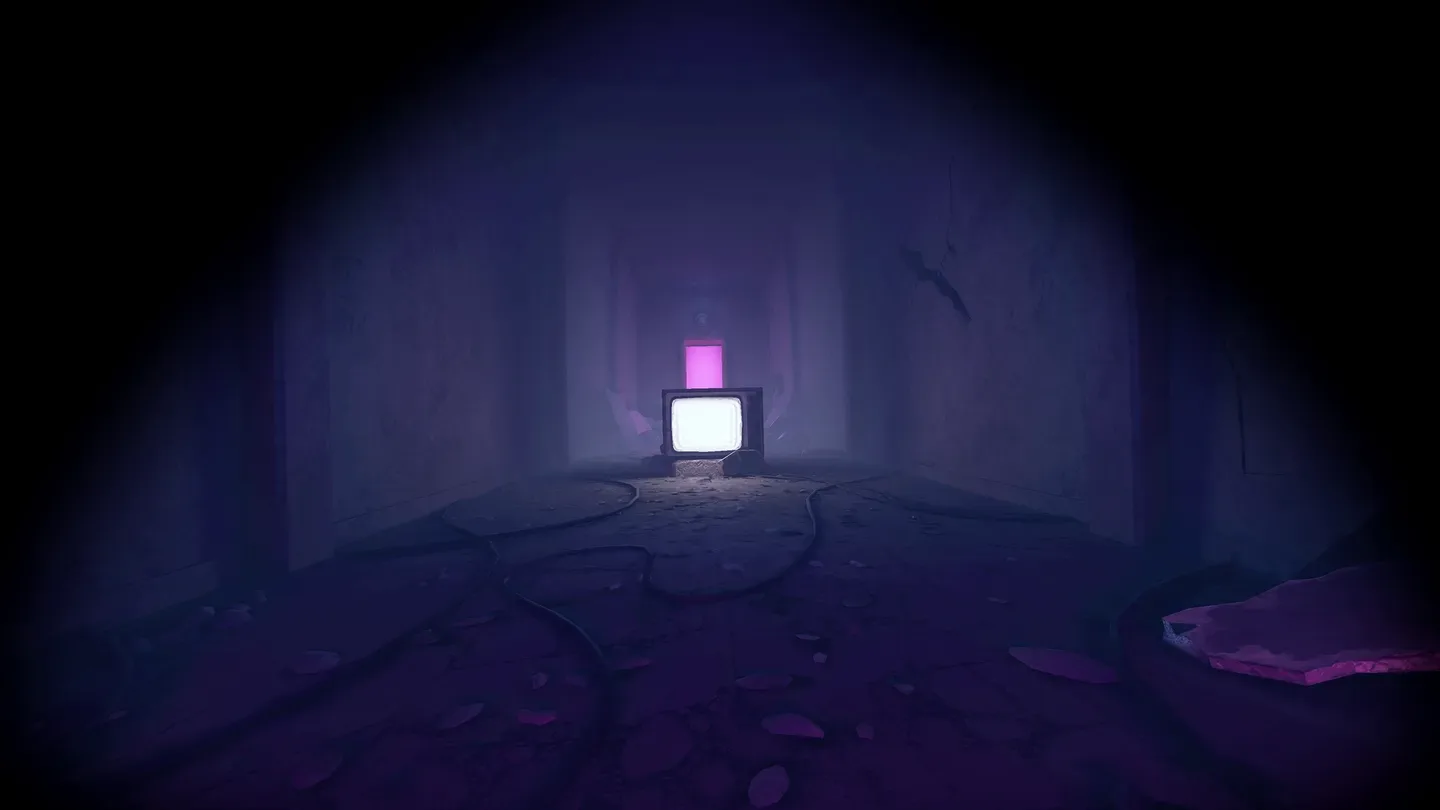
Altered Echoes picks up from the world established in the earlier games, following the events around the Pale City. The Thin Man captures Six, and you, Dark Six, a shadowy, glitchy part of Six, get left behind. At first you seem to disperse, but you rematerialize, and your own adventure begins as you embark on a journey to try to make yourself whole again.
One massive departure from the mainline series is that you have no jump button. You can climb, but you cannot jump. I was a little thrown off by this at the start, after all, for a franchise that’s essentially a horror platformer with puzzles, leaving the jump behind seemed like an odd choice.
However, Altered Echoes leans into crouching and climbing for its traversal mechanics, along with using ropes to cross some spaces. It felt odd not to have jumping, but an hour or so into the game, I stopped missing it and just played along.
The game relishes in impossible geometries, doors that lead back to themselves, floors that go up but lead to a bottom, etc. It aims to disorient, and because of that can sometimes feel frustrating, but it seems to know when to push it, and when to dial it down and let you move along.
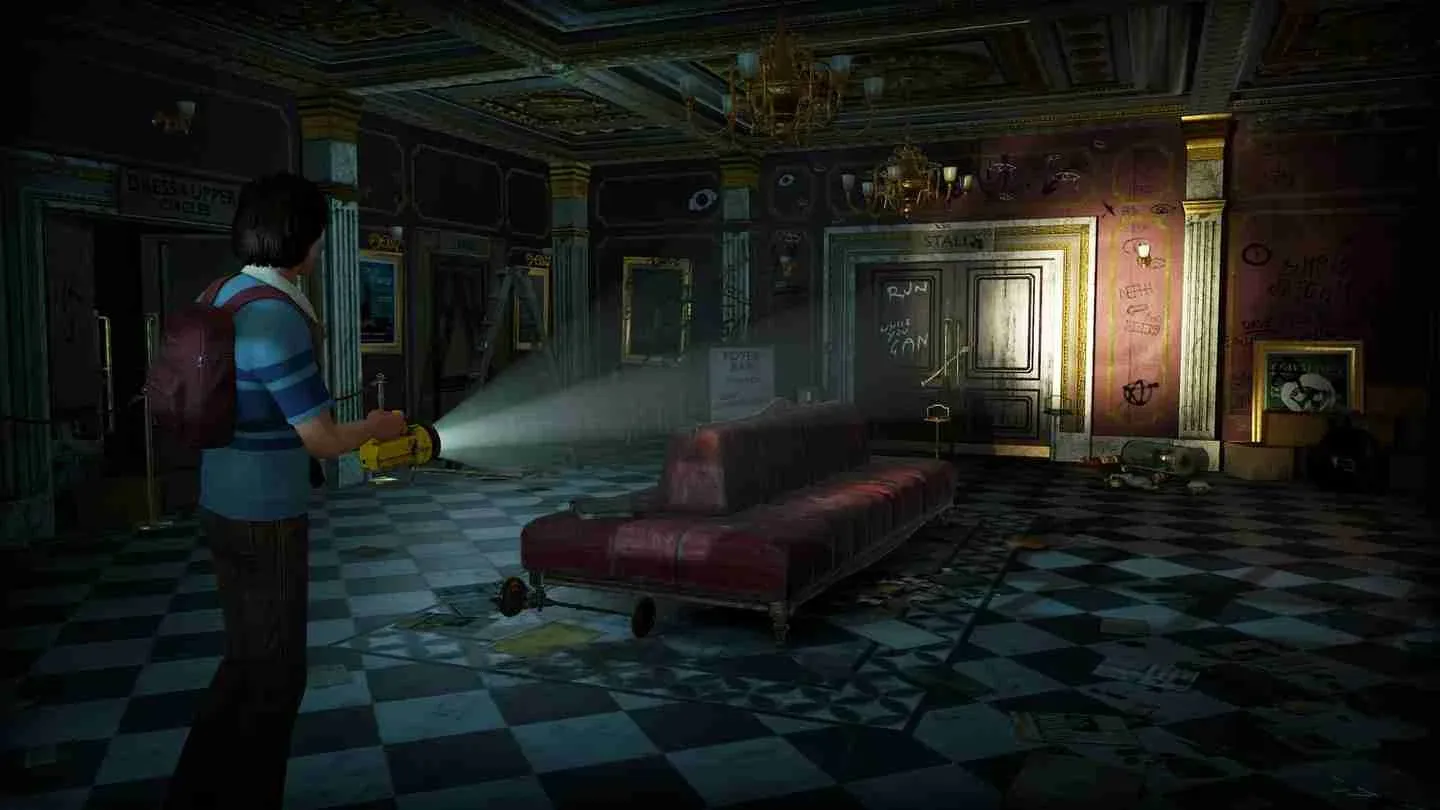
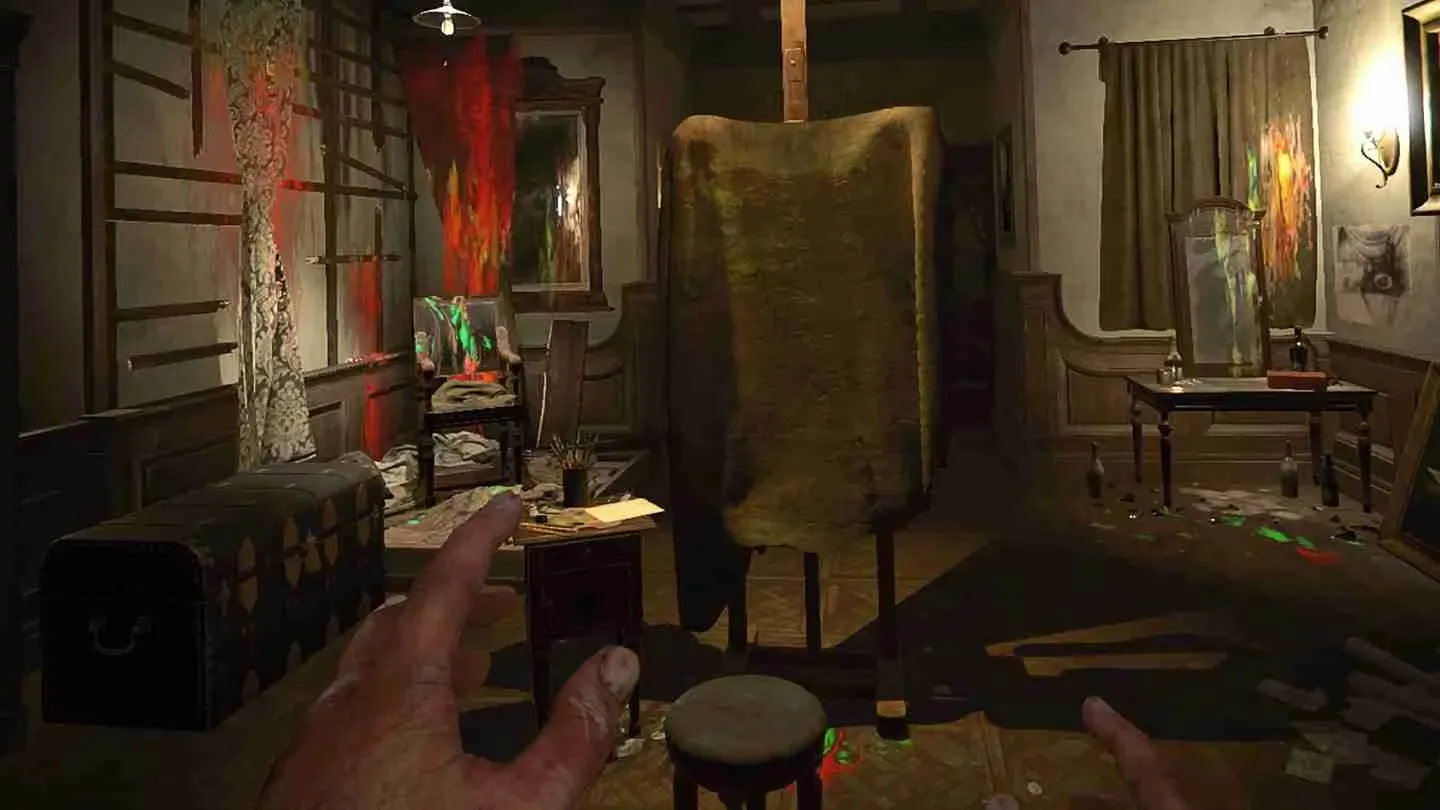
Step into the shoes of medium Edith Penrose in Ghost Town, where solving supernatural mysteries means helping spirits move on rather than busting them. With stunning visuals, masterful audio design, and engaging puzzles, this atmospheric VR adventure stands as one of the Quest's finest offerings – a rare gem that understands what makes virtual reality special.
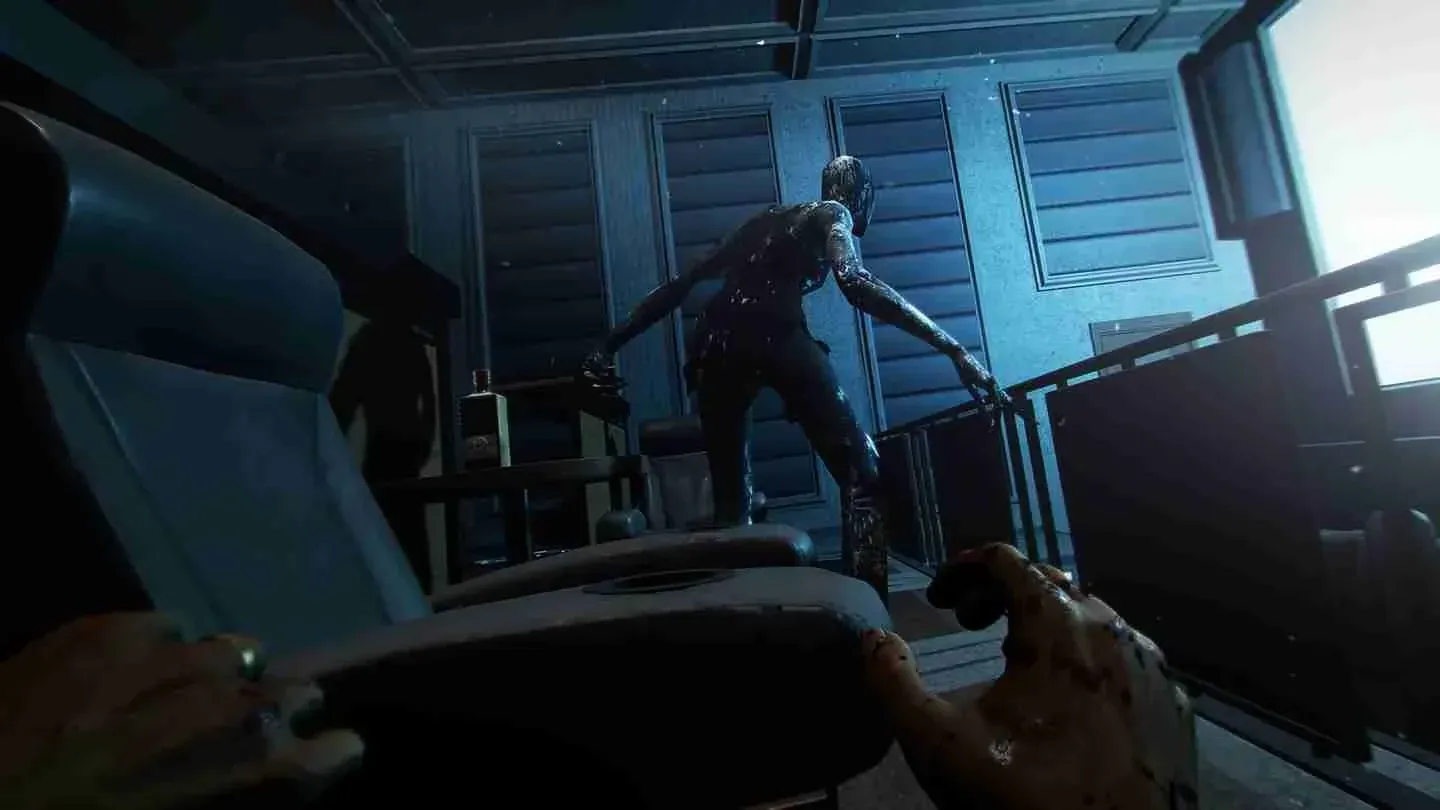
Graphically, the game is as stunning as the franchise has always been, if rendered with less flair than on high-end consoles. The graphical style is strong enough to survive the hit to fidelity, and the fact that you’re seeing things up close and first-hand rather than on a TV screen.
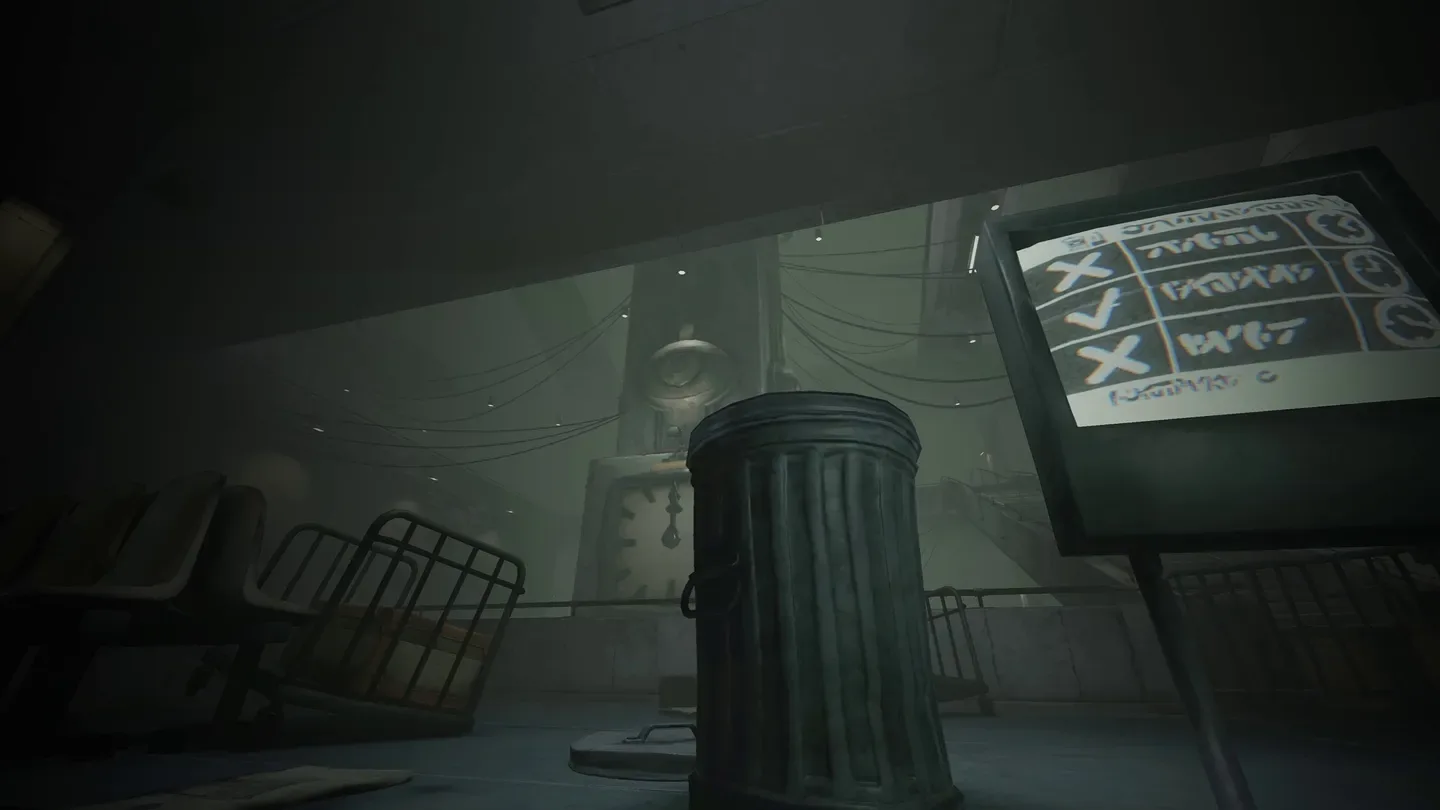
One thing Altered Echoes does that the flat games never quite delivered as well is the sense of scale, as your small character looks up and around at a world designed for far larger characters. You’re not quite Tom Thumb, but even regular doorknobs are too high for you to reach. When you’re trying to board a train, the monstrous commuters tower far above you, and the sense of scale is undeniable.
This is something the series has always played with, from the Maw to the Pale City, but VR makes it feel immediate in a different way.
Audio is a real star in the game, everything you hear around you contributes to the sense that you’re in a strange, uncomfortable place, where death can be heard creaking nearby. It also provides subtle sonic clues, a shimmering sound when you’re near a door that’s actually going to move you forward rather than loop you back, for instance.
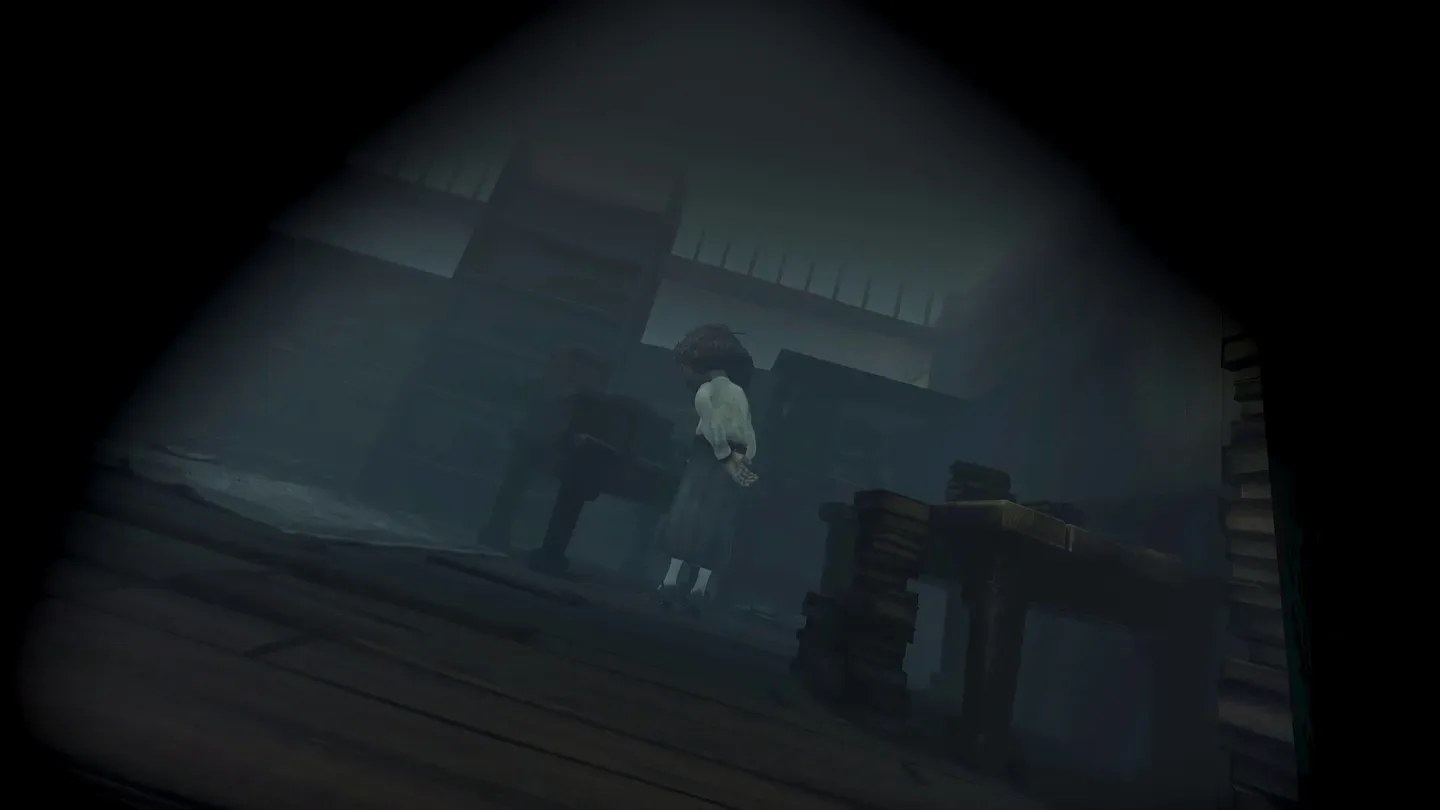
The series has always leaned heavily on sound design and music, with composer Tobias Lilja shaping much of its identity, and that influence carries through here.
There’s a sequence where you crank a music box to create the world around you before you can navigate it, like a Dreamtime elder conjuring the world into being. Quite cool.
The main niggle with Altered Echoes is the controls. They’re a little clunky sometimes, the movement feels slow, you can ‘run’ by holding the A button or pushing in the left stick, but it’s just a tiny bit faster than your walk, and never quite feels like running, and can revert to normal walking speed unexpectedly.
Having said that, I had no issues with the climbing nor the crouching, and all deaths were mine to claim.
It’s not a particularly long game, but that’s in keeping with the franchise’s general length. Depending on how you play, we’re talking about a 3 to 4 hour adventure, more or less. But again, this isn’t a case of VR getting glorified demos, this is about the length of the console games.
The graphics could also be better. I feel that a lot of performance on Quest 3 was left on the table to make the game backward compatible with the Quest 2, perhaps developers Iconik can do what other games have done, and add a Q3 graphics toggle in the settings to improve the visuals on the more capable headset.
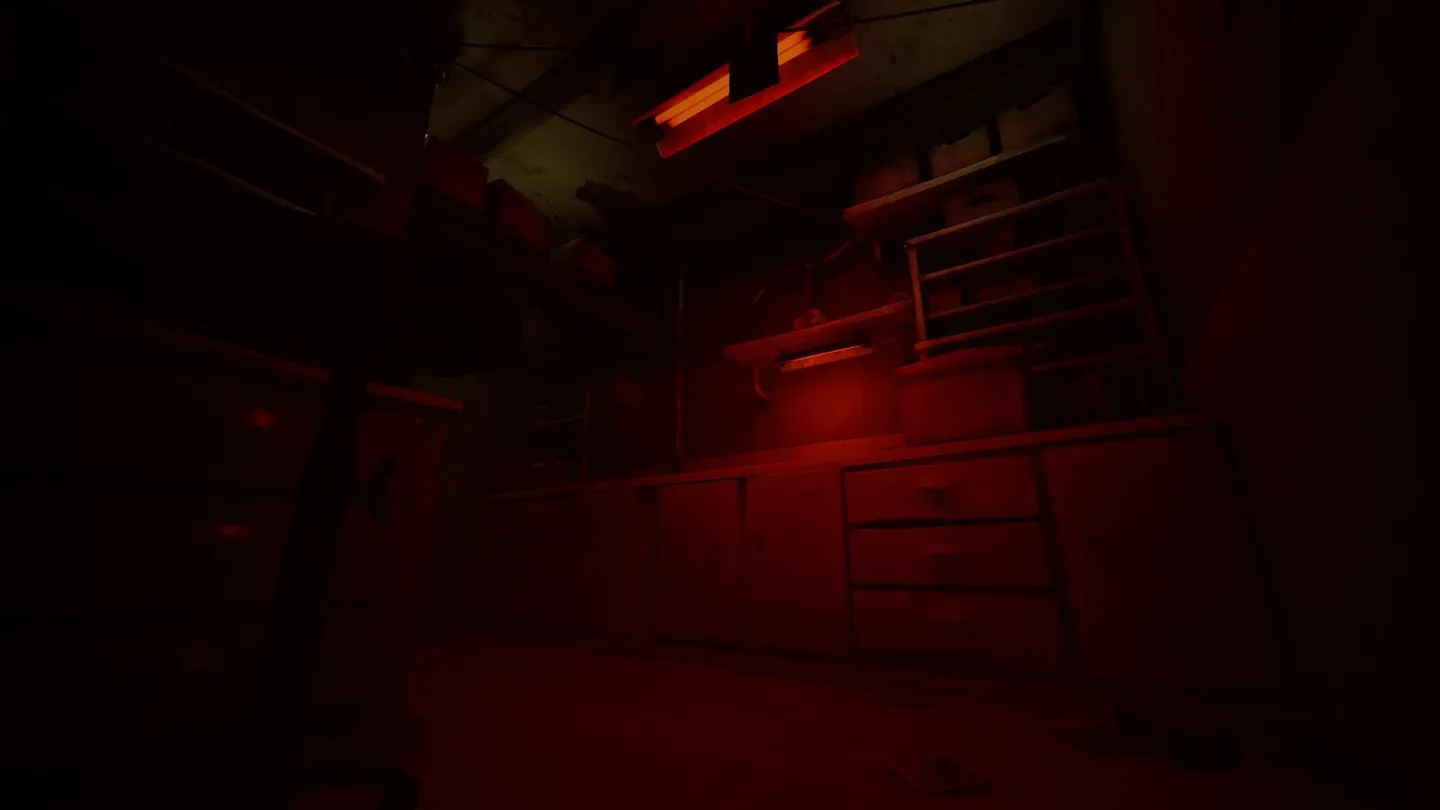
It’s kind of strange to finish the game, and then see hundreds of names in the credits, reminding you that despite looking and feeling like a quirky indie game series, Little Nightmares has been a Bandai Namco property from the start, albeit initially developed under a smaller studio. I suppose that also explains why a game that has no dialogue, no text to read, or recordings to listen to, somehow still names tens of translators and localization staff in the credits. Makes me wonder how you land that kind of job. But anyway…
The fact is that Altered Echoes mostly accomplishes what it set out to do; give us a Little Nightmares game in VR. I’m enjoying my time with it.
Despite feeling a little underwhelmed during the first half hour or so because of looping geometry and the fact that I kept wanting to jump, the game did manage to keep me engaged and immersed, and it pulled me straight back into the world of Six and her disturbing reality.
If you’re at all a fan, and can deal with some initial frustration, this might well be a title worth checking out. If you’re new to the franchise, and your first experience of it is in VR, it may take you a little bit of time to get into its groove, learn to deal with its oblique storytelling, and get comfy with its inherently creepy atmosphere.
As an Amazon Associate we earn from qualifying purchases. Prices and availability may vary.
Wraith: The Oblivion - Afterlife doesn't let you skip dialogue, regardless of how many times you've repeated a section, or even if there is already dialogue being played.
0 comments
No comments yet. Be first.